Should You Apply for a TEDx Talk? How to Pitch & Stand Out

At the start of the month, I submitted a last-minute TEDx application.
I only saw the link a few days before the doors closed, and it took several sessions to create a TEDx pitch that was thoughtful and interesting. I used zero AI (though I rarely turn to AI for my writing).
But as soon as I pressed submit, the doubts rushed in: surely someone who spent more time was 66% more prepared than I am? I spent four hours working on my speaking proposal, but was that a complete waste of time?
If you've ever wondered how to get a TEDx talk or if you should pitch for a TEDx stage even when you’re not 100% sure you'll get it, this is for you
What I learned from the tedx application process
And here's the thing. If I don't get selected, I'll lose a good afternoon working on my talk
But here's what I gained even without being chosen by the organisers:
I’m now clearer on my mission, where I'm going, and why. It allowed me to organise my big picture thoughts in a way my daily work doesn't often allow me to do
As I visualised myself on the Tedx stage, my identity shifted. The more time you spend visualising a desired future, the more likely it is to happen (duh, it's called manifestation, look it up!!!)
I do talks all the time, and yet there's something about a Tedx that feels pretty scary. But for those four hours, I stepped into the belief that I am a person capable of doing a Ted. I don't have to stop believing that just because they said no
Rejection is like a muscle. Face rejection, and your ability to handle it gets stronger. Avoid rejection, and your ability to bounce back atrophies. (see anti fragile)
I developed a talk idea I can pitch to other outlets, I can turn it into content
I might get feedback from the organisers on what they're looking for, so I can apply next year with more insight
why you should pitch for a tedx talk
(even without a massive audience)
One thing I hate is watching creatives throw their talents away because they're standing at the bus stop, waving their hands, claiming they want success, but they never take the steps to get it
In a world where people won't run for the bus out of fear of embarrassment, I'm running.
I'm huffing and puffing, I'm sweaty and jiggly, tits flying in opposite directions. There is dried sweat patches on my shirt from where I've tried before and failed. I'll happily miss 22 buses if it means I might make it on the 23rd.
I don't care if people see me trying. The people sitting cosily on the bus know what it takes to make it

It's only the people on the sidewalk, waiting for a miracle that isn't coming, who will judge you for your effort
Let them watch. Let them laugh. I'll laugh last. You and I will laugh last
Side note: There's also this crazy thing that happens when you put out the energy of wanting something and trying to the universe, that energy always comes back to you
Sometimes, in the way you imagined would. But often in ways you had no idea were even possible
This is why I wear my New Balance and Salomons everywhere. Gimme your hand because we are RUNNING for that 257
How to Pitch for a tedx Talk
Step 1: Decide Why Completing a TEDx Talk Matters to You
Before you start writing an application, clarify your why. Is this about building personal brand authority, creating your speaker portfolio, or sharing a message that desperately needs to be heard? When you focus on your why, it’s much easier to ensure your talk achieves that goal rather than shoehorning it in at the end. Your why should be a red thread that runs through how you present your application, to your approach to sharing your talk on stage.
Top tip: Remember that TEDX doesn’t accept any pitching from the stage. Check out their requirements here
Step 2: Pick Which TEDx Platforms You Want to Speak At
While TED conferences are managed directly by TED, TEDx events are independently run events organised under the TEDx License. They may have different themes, locations and application processes.
Look for local organisers that align with your goals and key topics. Tap into your network and ask speakers you’re connected to whether they’d recommend their TEDx organisation. Alternatively, check out local universities as they’ll often host TEDx events on campus. When you find a few you like, sign up to their mailing lists so you can get up-to-date info on what they’re looking for and when they’re accepting applications.
Step 3: Pay Attention to Application Dates
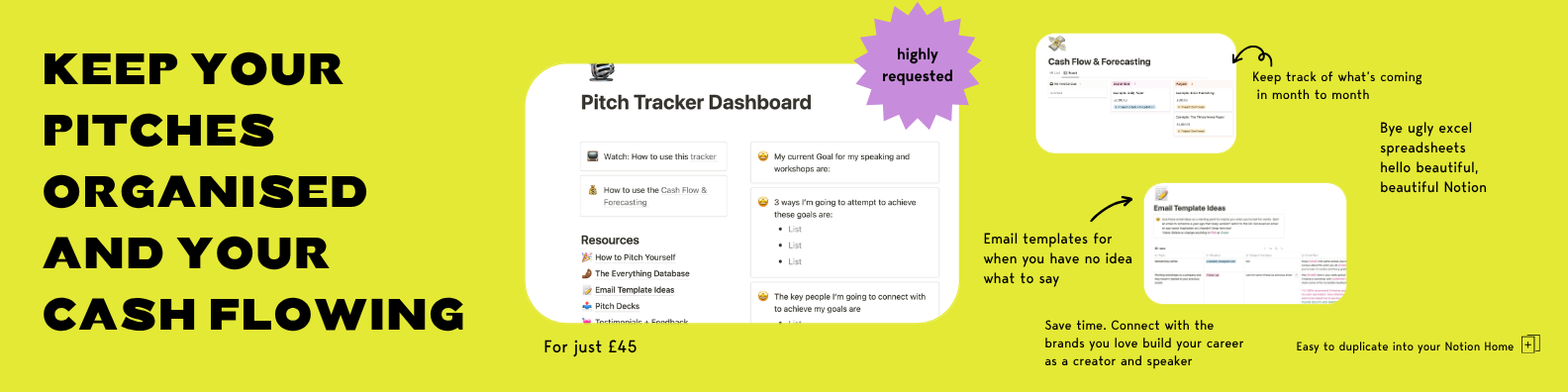
TEDx organisers usually open speaker applications 4 to 9 months before the event date. Create a simple tracker to monitor application deadlines so you aren't rushing your application at the last minute, or missing submission windows entirely.
Top tip: Put a note in your calendar the day that applications open and close so you don’t miss key dates
Step 4: Meet with the Organisers, build a network
Try to attend local events and speak to the teams working there. Connect with the organisers on LinkedIn and reach out with a genuine message about the upcoming line-ups.
Building 1:1 relationships with the teams behind the events will allow you to ask questions about what makes an application stand out. It will add some familiarity when your application lands in their inbox.
Step 5: Apply & Pitch Your Idea Worth Spreading
You’ve done a lot of work to get to this point. Don’t shy away now. Submit your idea even if you’re unsure or nervous.
Make sure you read the application requirements carefully. Focus on developing an idea with a clear point of view and an actionable takeaway.
Keep your application concise, and don’t forget to spell-check!