
How to Get Podcast Sponsorships. Insights from an ex. Acast Exec
We really don’t talk enough about the power of LinkedIn as a networking tool, because stalking the profiles that pop up on my feed is how I met the exceptionally cool creative director, Shantae Howell. Born in Chicago she’s worked in advertising at Meta, got a crash course in all things podcast during her time on Vox Media’s branded content team, before moving to Acast, to lead how the podcast distributor monetised shows across America. Today she joins us to share her top tips how to get your podcast sponsored, and how brands are using long-form content to connect with consumers.
Let’s begin
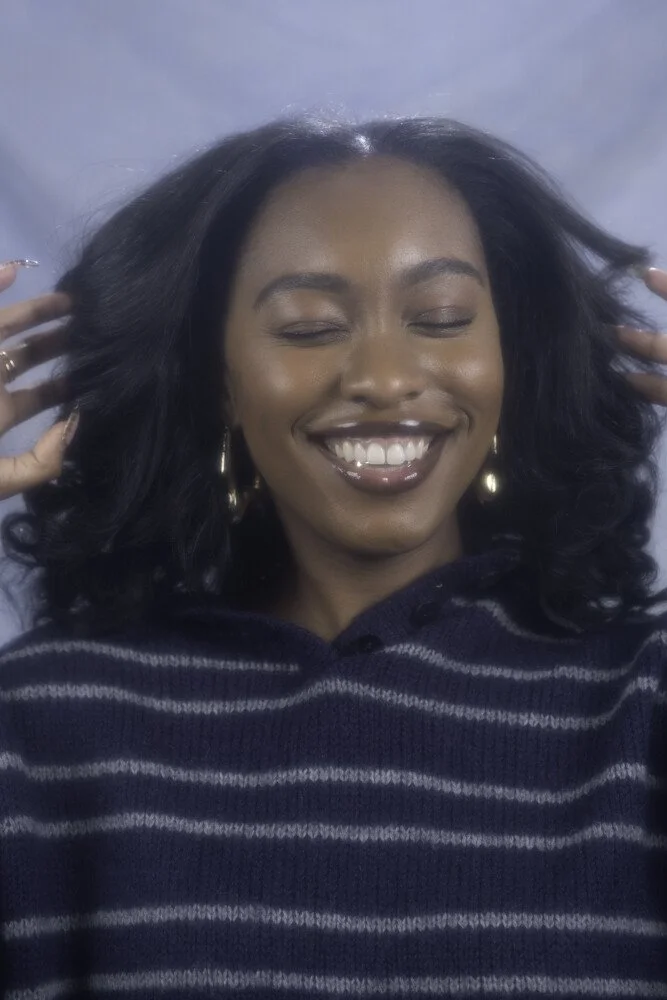
Kira Matthews: Shantae, it’s great to have you here! How did you get into podcasting?
Shantae: I got into podcasting in such a weird way. I stayed in my hometown during college but most of my friends moved away. I started listening to podcasts as an escape. Outside of college I worked in a few problematic spaces (with people who had very clear political affiliations with Trump) so I would put my headphones on to shut them out!
Vox Media was the first place I got to explore podcasts through the lens of branded content. I was part of the team that pitched and developed Ben & Jerry’s first ever podcast Who We Are: A Chronicle of Racism in America podcast. I learnt so many tips of the trade
Kira Matthews: I love Vox Media! I always listen to Today, Explained; it’s one of my favourite news podcasts.
Shantae: Yeah, it’s a great one! I also worked on a branded segment for the Michelle Obama podcast while I was there. That felt like a highlight. I took a course in podcast production and began to specialise in the format before moving over to the Acast.
When I joined Acast my team worked on what functionality would look like in our region, and we influenced how Acast managed branded content globally. Because of my experience at Meta and Vox Media, I was able to bring in my experience and say hey, if we have podcasters with large social presences, we should absolutely being leveraging those spaces to monetise our shows.
I was really proud of the activations we did there. We worked with the Sunglasses Hut, Brooke DeVardo Zeidenly from Naked Beauty.
How Podcasting Changed the Creator Economy and the importance of long form content
Kira Matthews: How has podcasting changed the creator economy?
Shantae: There are so many different types of creators, but honestly, I feel like podcasters are the best creators. I think podcasters open themselves up to landing public speaking opportunities at huge events like Create & Cultivate or SXSW.
Let’s say two creators have 100k followers. The one with a podcast will have more opportunities because there’s proof that you can hold a live conversation. As more brands lean into live shopping and streaming, being able to think through questions in a smart, engaging way is a huge value-add.
Kira Matthews: Yeah, I agree. There’s definitely something to be said about different follower counts versus the depth of connection. From the listener side, they get to have such a deep relationship with the creator. I listen to a lot of American comedy podcasts, and if they ever do live shows in the UK, I’m the first to sign up because their show feels like a best friend you listen to once a week.
Shantae: Yeah, and then when the creator monetises it doesn’t feel pushy like, “Hey, I’m pushing this brand. Buy it!” If done right it feels less pushy, because you usually have at least 30 seconds with an audience that’s likely listened to a creator talk for hours. There’s just way more trust and intimacy with the audience.
Why are brands are spending Billions on branded Audio and Podcast content
Kira Matthews: According to Truthworkmedia, Brands spent $2.2 Billion on branded podcast content in 2025. What makes podcasting exciting for brands?
Shantae: With podcasts, you can add contextual storytelling. I worked on an activation for Sunglass Hut with Brooke DeVardo from Naked Beauty. We transformed one of their stores into a live show venue, filled it with co-branded swag and explored summer style and the need for different shades for different outfits; listeners value that extra context and experience.
After partnership like that, the measurement team ran a Brand Lift Study (a research process a company runs after a campaign to understand its effectiveness). We found that brand affiliation and brand recall were far higher with podcasts, when compared to people seeing an ad while they’re quickly scrolling. Instead of one-off ad reads, long-form contextual storytelling where the brand is integrated into a show, and into a creators ecosystem, that’s when it’s really powerful.
How to Get Your Podcast Sponsored: 3 Steps for Creators
Shantae: I would say, that the first three things a creator should do to get their podcast sponsored are:
1. Identify Natural Brand Integrations
Think about what brands or topics are naturally coming up in your shows. We worked on Everything Iconic with Danny Pellegrino, and he naturally mentioned Taco Bell all the time, so Taco Bell was an aligned fit.
I’ve also worked with Giggly Squad. The hosts have referred to themselves as "bed rotters" so much so that they posted a spoof bed rotter Halloween costume on Instagram. Mattress Firm heard it and came to us because they wanted in on the inside joke they had with fans. The brands you work with don’t have to be super on the nose; the easiest way to find brand sponsors without coming off inauthentic is to be creative about finding that natural point of overlap.
2. Build a Podcast Pitch Deck That Highlights Unique Positioning
Build a podcast pitch deck. Think about what makes your podcast interesting or valuable. There’s a podcast on everything, but what makes your show different?
I used to have a podcast called Edges. It was about the relationship between hair and mental health in the Black community. So, if I’m creating episodes that talk about the shedding I’ve experienced due to periods of depression, that’s super contextually relevant for hair brands solving that problem than a show that’s about beauty tips and trends or more broadly. Your pitch deck should highlight those differentiating factors.
3. Aim to build long-term relationships instead of one off partnerships
Think strategically about who you pitch to. Sometimes folks go for the most famous brand they can think of, but why not go to the third most popular competitor? Depending on your audience size, you and the brand can grow together. Then it becomes a long-standing relationship, so you’re not landing one deal and having to go back out pitching immediately because it was a "one and done" partnership.
How many podcast downloads do you need to get sponsored?
Kira Matthews: Does the size of the listenership matter? What goals or milestones should creators aim for before considering podcast sponsorships? I know creators with small audiences will be dying to know this!
Shantae: I hate to say it depends on a lot of factors. The smallest podcast I’ve helped monetise probably had 1,000 listeners per episode. At Acast, we signed creators with 4,000 listens per episode and monetised them incredibly well with many five-figure brand deals because of their unique positioning.
Consider your audience outside of your podcast. You might have 4,000 listens per episode, but maybe you have 10,000 followers on LinkedIn; you could offer a package deal.
Also, find out who is in your audience. If you have a podcast on fine jewellery and have 200 qualified listeners making £500k+ a year, then it might be worth a brand investing to reach that specific high-value audience.
There’s a serious information gap on the business side of things for creators and that’s by design. It doesn’t benefit podcast companies and networks for creators to be armed with this knowledge. And that’s actually what inspired me to build my first digital product, How to Pitch Your Podcast.
The goal might ultimately be to sign to a network or a talent agency for support but if you know how to pitch and position yourself, you know what you’re worth. And you fight for it.
Final takeaways
I could have sat and talked about the creator economy all day with Shantae. The takeaways for me are, to get clear on the value of your podcast outside of the vanity metrics. Don’t let a small audience stop you from starting the conversation with brands that are aligned with your mission when the context of your niche positioning and audience type matters.
Follow Shantae Howell on Linkedin for more insights on the creator landscape.