
Can you really get paid to run a book club? And how do you turn a local meet up into a thriving community? Today, I sat down with Caitlin Curry, founder of The London Girls Book Club (LGBC) to find that out. At the time of writing this, they’ve hosted 50 events so far this year, and have partnered with Penguin, HarperCollins, Quarto Books, and Pan Macmillan! Caitlin and I always have the most insightful chats about pitching publishers, asking for what you're worth, and building brand deals for community events. It only felt right to bring that wisdom out of our Zoom calls and straight onto the blog!
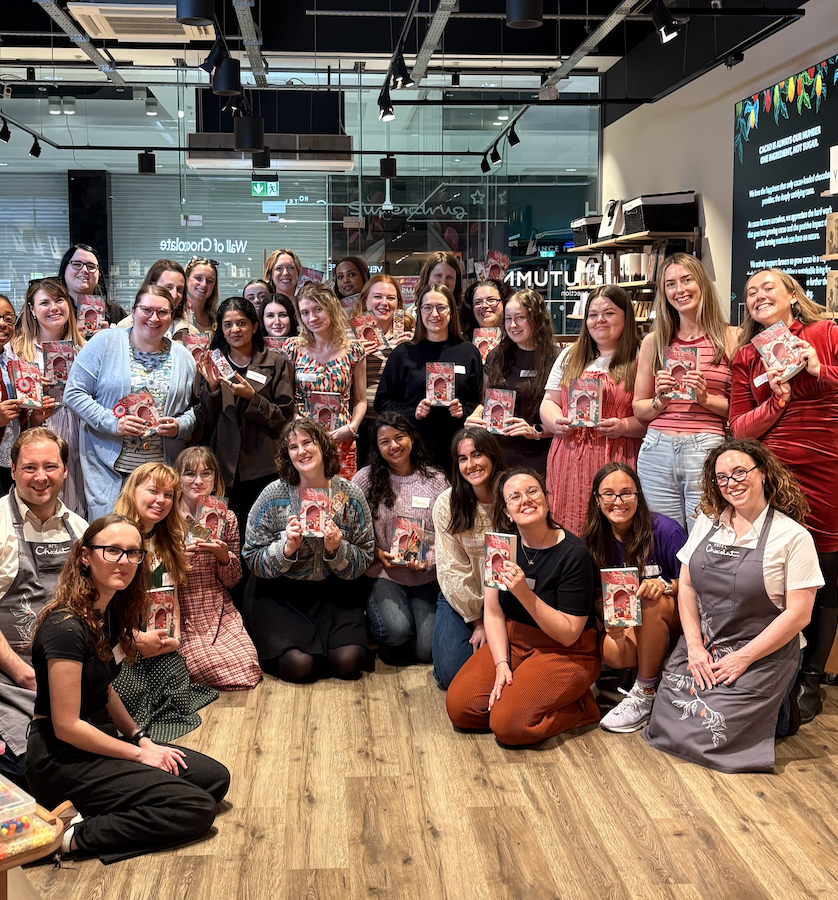
Kira: Caitlin, the last time we spoke, it was right before you were moderating that panel at Comic-Con. That seems like so long ago, but from watching your content, so much has changed since then. How are you doing?
Caitlin: I feel a bit frazzled today! I was literally sitting on my phone trying to get a post live for a partnership that we're doing. It's the highest-paid partnership that we've worked on so far, and I'm like, "Kira would be proud!"
Kira: Woah, that’s so cool! You and the book club really deserve it. Every time I talk to you, I'm like, how are you existing as a human? You work full-time alongside running the club!
Caitlin: I've just started taking ADHD medication, which has really helped my personal life catch up to what I'm doing with the book club and everything else. I look like I've got it together when I absolutely don't. My partner, Josh, is keeping everything else afloat, but the medication is helping me manage everything else, which is very good.
Kira: When we spoke last time, you mentioned that publishers are often asking for a lot of things for free. So this is such a good full-circle moment to hear you’ve had this massive partnership!
Caitlin: Honestly, Kira, your ideas and other conversations I’ve had, have really inspired me to keep pushing. A publisher messaged me and asked if we wanted to work on an event. So I asked, "How much budget do you have?" rather than just suggesting a price. They replied and said, "We've got a pretty good budget for this." I was shocked! It's such a good reminder to not undercut yourself with a low price.
How to start a book club community
Kira: How did you start building a book club? Take us right to the beginning. You loved reading, and then you decided to bring in other people?
Caitlin: When I first moved to London, I didn't know anyone. Me and my partner were really bored and lonely. I loved reading, so I decided to start connecting with other people around books. I joined a book club myself first. It was lovely, but people didn't really connect with each other. We’d discuss the book, and leave without seeing each other again until the next month. I wanted to create something where you discuss the book, but there's also a social element to it.
LGBC is so focused on connection: connection questions, crafts, and activities all centred around a love of books. If you go to general friendship events, people have so many different interests, but here you already know you have that shared interest of books. That's what keeps people coming back.
Kira: How long have you been running it now?
Caitlin: We've been running for five years. When we posted our first little meetup, only three people came! The aim was never to "go viral," but because I've been relentlessly posting for five years and sharing our message, we keep finding the right people.
How to Run a Successful Community Alongside a 9 to 5
Kira: How have you managed to run the book club for five years alongside working a full-time job? Are there any tips or tricks you've learned?
Caitlin: I use my lunchtimes, and after work to catch up on admin. If I'm on a bus, I'm editing on Canva. If I'm walking somewhere, I'm on a call chatting about tonight's event.
Finding systems that work for you is key. I use WhatsApp as it helps to sell our events out quickly. I share event details in the WhatsApp group 24 hours before posting on Instagram, and usually our events sell out within the first few minutes.
I also use saved email drafts for replying to admin. And getting an accountant stopped me from worrying about doing things wrong.
Lastly, find people who want to help. I have amazing event coordinators who get free tickets and goodies, and in return, they help with event setup and venue communication. When you finish work at 5:00 PM and an event starts at 6:30 PM, it's a very quick turnaround. So having communication, solid systems, and being okay with doing things on the go makes it work.
How to Pitch Publishers and Transitioning from Free Events to Paid Brand Deals
Kira: When did you start being approached by publishers and brands to partner with you on your events?
Caitlin: Monetising the events has been a journey. At first, we were doing it purely for fun and building that community. But then a friend asked me, "Why are you still doing this for free when you offer so much value?"
I was so nervous to start charging for tickets. But once I did, people were more respectful of the time and effort involved, and we could get better venues. That's when publishers started coming in.
At the beginning, we did a lot of outreach. I was pitching constantly: messaging publishers, finding emails, and asking if authors wanted to get involved in author talks. Publishers needed to see that we could get people in the room and foster a genuine, wholesome community.
I still remember the first big partnership call where a publisher offered to pay for us to do a post on a book, do an author talk, and also provide snacks, drinks, and host us at Penguin HQ, which was very exciting!
Kira: Were you nervous to pitch publishers and authors?
Caitlin: Yeah, definitely! Hosting a talk means being on stage with an author, reading their book, coming up with questions. At first we were just asking publishers to gift books, or items for goodie bags. My first ever author talk was to interview Shirley Ballas from Strictly Come Dancing. The team offered to pay me to do the talk and I literally cried because I had never been paid for anything like that before! I was so excited I brought my nan along too!
If a publisher wants an event with 100 people, we can make that happen overnight. Now we’ve created those relationships and publishers have seen the value, now they reach out constantly asking to collaborate because we offer them an audience of engaged readers who want to buy their books.
Breaking into the Industry and Winning a Publisher Award as an Outsider
Kira: Can you tell us about the work you did that led to winning that award I saw on socials?
Caitlin: The Trailblazer Award recognises people who have made an impact in the publishing industry. Usually, the people who win work directly inside publishing houses, like marketers or publicists.
The value of book clubs is starting to become more widely recognised. Electric Monkey is an imprint at HarperCollins, and we worked with the team on multiple book events. We interviewed authors and included the book in the ticket price. It was Hannah Penny from Electric Monkey who nominated me, but everyone at LGBC won that award because we all came together, it was a whole community of readers.
The #1 Mistake Community Builders Make (and Why Founders Shouldn’t Avoid Talking Money)
Kira: What is one mistake or lesson you’ve learned on your journey that you see other community builders making?
Caitlin: Not charging for your time and community value. I see so many communities work with a brand, sharing posts and hosting events, without securing an ad partnership or sponsor fee like a typical influencer or content creator would.
When you bring 60 to 100+ people in person, plus an engaged WhatsApp group and social following, that holds massive monetary value. If you don't monetise those partnerships, you miss out on revenue to build the club and you can’t reinvest back in your community. Brands can take advantage of community spaces but these members will tell five friends about the event, then they’ll buy the book. There’s a real-world impact that is way bigger than a single influencer post.
Another big lesson was to get crystal clear on your community's core values. We always emphasise that we’re kind, friendly, and welcoming, and that anyone can come solo. I keep a list of six core anchor words that appear in every single Instagram post, Eventbrite listing, and talk introduction. It helps consistently attract the right vibe and community members we want.
Lowering Ticket Prices Through Brand Sponsorships
Kira: That is so clever! What does the future look like for London Girls Book Club? What opportunities are you hoping for next?
Caitlin: Doing even more exciting events for the girls while keeping them as accessible as possible. We’ve just launched a Fourth Wing themed crochet event where a brand paid us to host it and covered materials (the ticket price covered the crochet kits and the brand paid for drinks, setup, travel, snacks, and us posting about the event). We also have our retreat coming up, and hopefully interviewing more incredible authors and of course bringing more incredible readers together. A dream author who I’d love to sit down with is Mike Gayle (we only read books by women, trans, and non-binary authors, but he is releasing a co-written book with his wife!).
But also because we're securing brand sponsorships, we’ve actually been able to lower ticket prices. Last year, our events ranged from £25 to £60 as we were having to cover everything ourselves. This year, because of the partnerships we have managed to secure, we’ve brought the average ticket price down to under £20 while adding higher-value perks and experiences. So there’s a lot of exciting stuff happening.
Kira: Caitlin, thank you so much for sharing all of this. There are so many gems here!
Caitlin: Thank you for having me! I love your newsletter and what you’re building. I’m so happy to be part of it!
Kira’s Takeaways and Final Thoughts
What I love most about Caitlin’s journey with LGBC is that she completely dismantles the idea that community spaces can’t be authentic and bring in revenue.
Bringing 100 engaged readers into a room carries massive commercial weight. When you step into your value, ask brands for their actual budget, and pitch with confidence, everyone wins: your community gets lower ticket prices, brands get hyper-engaged audiences, and you get paid for your work.
Pitch With Confidence: Ready to reach out to your dream brands or publishers? Read our breakdown on Media Kit vs. Pitch Deck: What You Need for the Perfect Pitch to grab the exact assets you need before reaching out.
Join Pitch School: Want to learn the exact frameworks for pitching brands, publishers, and paid event sponsors without undercutting your worth? Join Pitch School to master the art of landing paid partnerships.